FIFA recently unveiled Saudi Arabia's plans to host the biggest World Cup ever in one country. The announcement comes after Saudi Arabia submitted its official bid to host the 2034 FIFA World Cup at an official ceremony in Paris. The bid, under the theme "Growing Together", proposes 15 new state-of-the-art stadiums in the five host cities of Riyadh, Jeddah, Kobar, Abha and NEOM.
Eleven of the stadiums will feature new designs, such as the Prince Mohammed bin Salman Stadium in Chidia, designed by Populous. At the same time, there are a large number of LED screens, such as LED scoreboards, Sports LED display and Perimeter LED Screen and Control room LED, Etc. The remaining four stadiums will renovate and expand existing venues to accommodate new programming and increased public capacity.
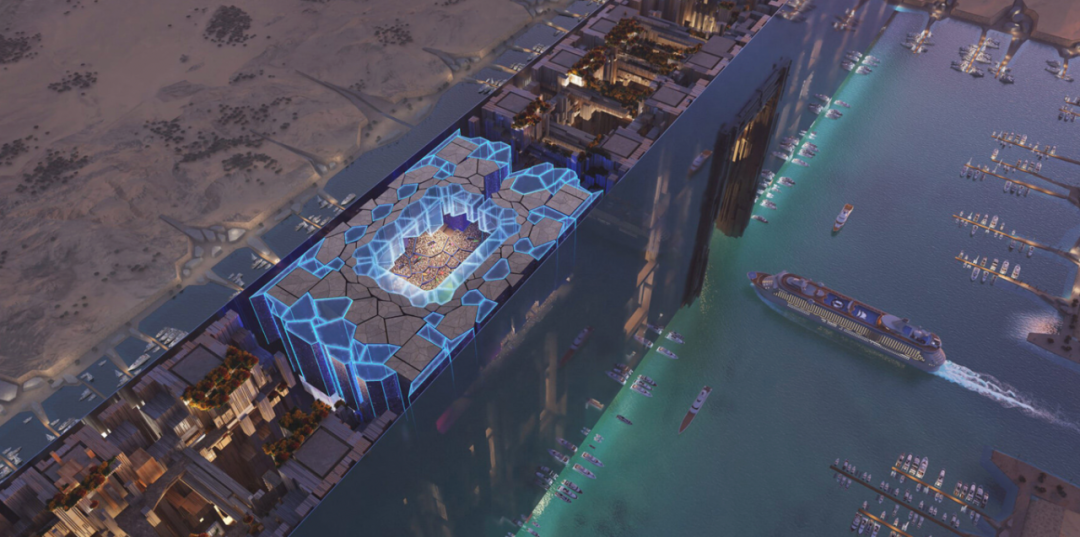
NEOM Stadium
Located within THE LINE, it is expected to be one of the most distinctive and iconic stadiums in the world. The stadium sits at an altitude of over 350 meters above sea level, overlooking a beautiful landscape with a roof made of the city itself.
The stadium will offer state-of-the-art technology (e.g. electronic gates, 4K UHD broadcasts, LED display,etc.) for FIFA players, spectators and broadcasters, and will have a capacity of more than 45,000. NEOM Stadium will use renewable energy sources such as wind and solar power, and the transportation system will be fully electric, encouraging pedestrian travel. The building will be the home of both men's and women's professional soccer clubs, as well as a base for clubs, fans, community activities and major events.
King Salman International Stadium
Designed to be the largest stadium in Saudi Arabia and a major new sports and entertainment center. Designed by the Populous team, the stadium has a capacity of 92,000 spectators and is ideally suited to host the opening and final matches of the 2034 FIFA World Cup. The design integrates with the surrounding topography and the natural habitat of the stadium's roof, providing effective shading and ventilation suitable for the desert climate.Located in the northeast of Riyadh, just minutes from the airport, making it convenient for both local and international tourists, the KSI Stadium will be the official national stadium of Saudi Arabia.
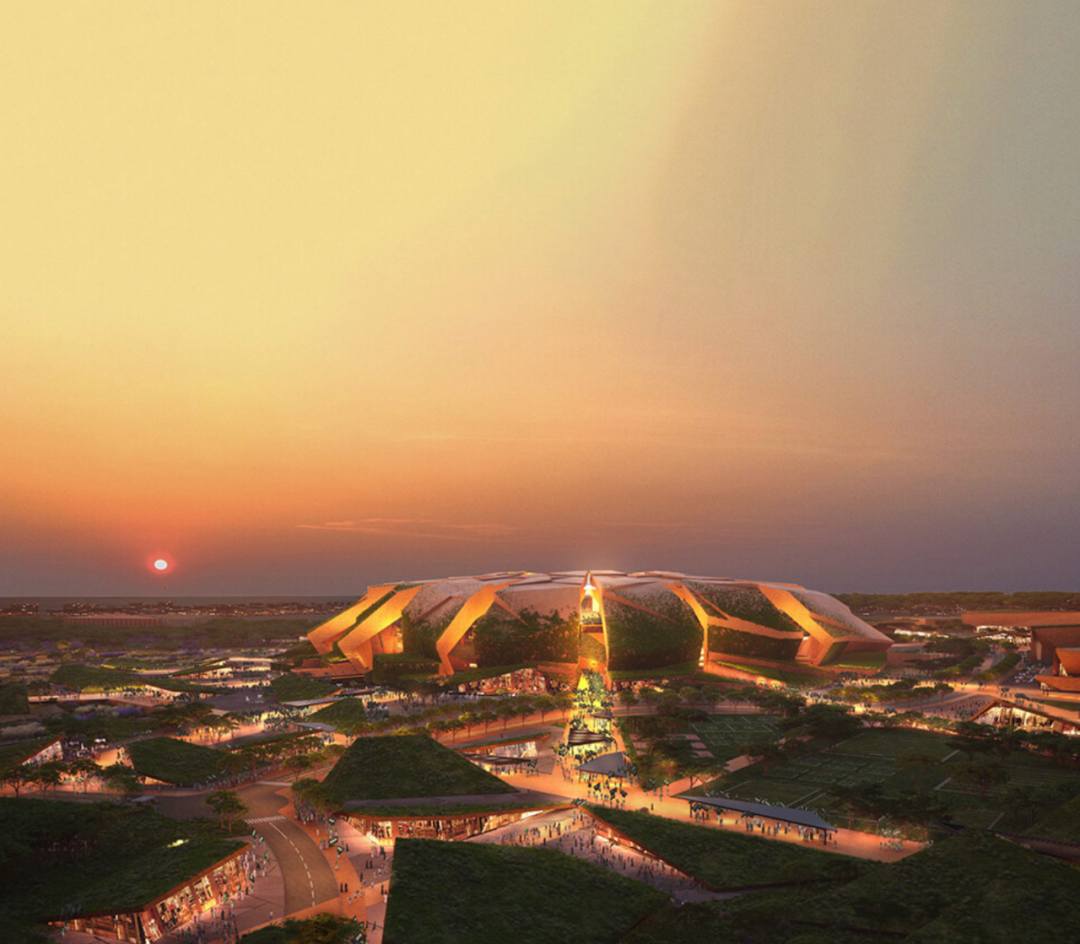
Qiddiya Coastal Stadium
The Coastal Stadium, also designed by Populous, has a capacity of over 45,000 spectators and is designed to symbolize the dynamic relationship between man and water, energy and matter. Located on the Red Sea coast on the north coast of Jeddah, in the heart of the Qiddiya Coast development, the stadium will become a multi-purpose entertainment venue after the 2034 FIFA World Cup, removing the upper tier of spectator seating to reduce the capacity to 25,000 and hosting esports events, exhibitions, concerts, conferences and major sporting events.
King Fahd Sports City Stadium
Known for its distinctive fabric roof, the stadium seats over 58,000 spectators and has hosted international sporting events and major entertainment events. Populous' renovation plans will increase the stadium's capacity to over 70,000 and blend seamlessly into its surroundings. After the World Cup, the stadium will continue to serve as a multi-purpose venue for sports and entertainment.
Prince Mohammed bin Salman Stadium
Designed by Populous, the stadium has a capacity of over 46,000. Its futuristic look is achieved through iridescent glass, LED screens, solar panels and perforated metal. Located approximately 35 kilometers southwest of Riyadh, the stadium is part of the larger Qiddiya development, which includes a variety of sports facilities, luxury accommodations and 58 other attractions.
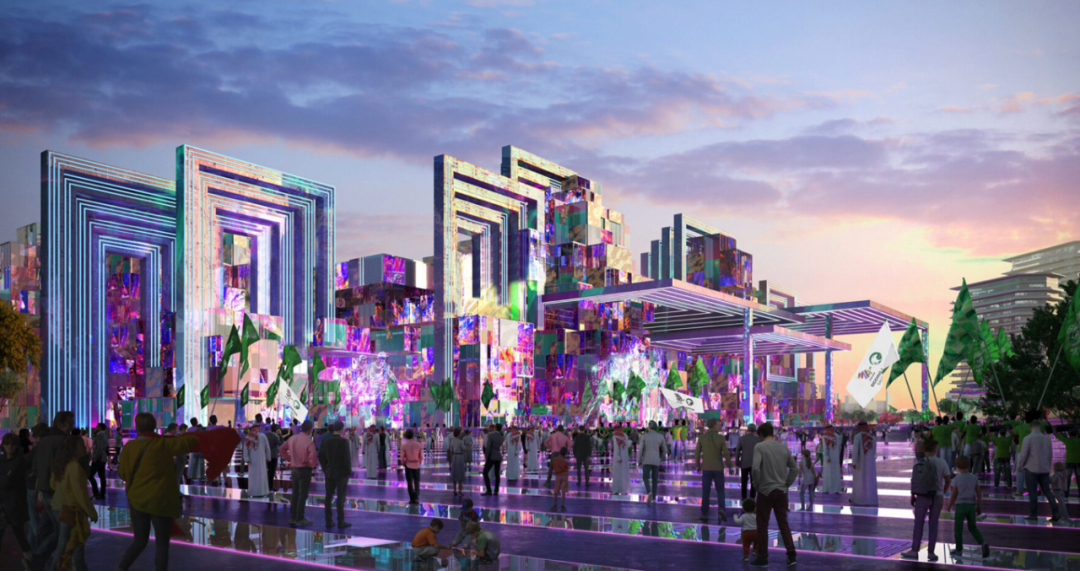
King Khalid University Stadium
Currently operating with a capacity of 22,000, the stadium will be temporarily expanded to over 45,000 seats in time for the 2034 FIFA World Cup. Renovation plans will upgrade the stadium's infrastructure and improve the surrounding area to cope with increasing crowds.
New Murabaha Stadium
With a capacity of more than 45,000, the design is inspired by the layered, textured bark of the local acacia tree. The stadium will feature the latest technology to personalize the fan experience and will host a variety of major events and activities.
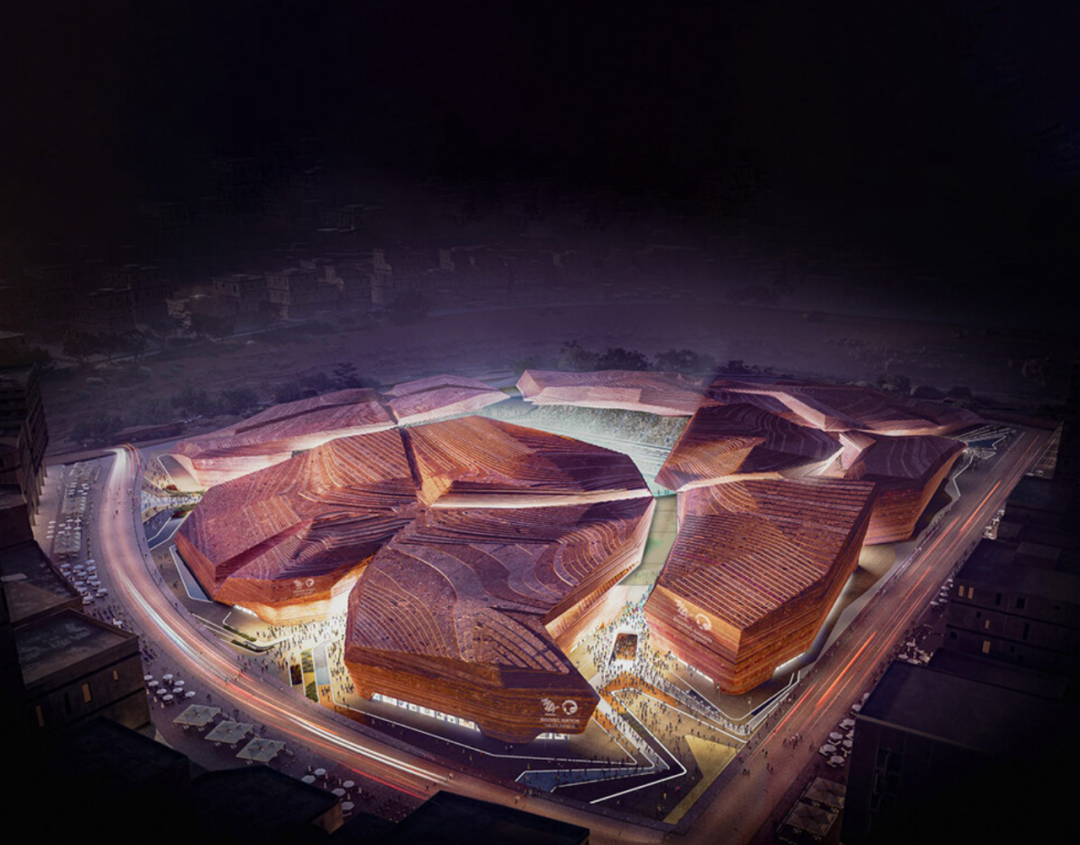
ROSHN Stadium
Located in southwestern Riyadh, the stadium can accommodate over 45,000 spectators. Its saddle-shaped seating design and varying heights of stands provide comfort and cross ventilation.After the 2034 World Cup, the stadium will be the center of a walkable community that promotes a culturally rich and socially connected lifestyle.
King Abdullah Sports City
Completed in 2014 by Arup Consulting, the stadium has a capacity of over 57,000. The stadium will host the 2027 AFC Asian Cup and is the main venue for the Saudi leg of the 2023 FIFA Club World Cup. The renovation program will allow the stadium to meet all FIFA requirements and incorporate the latest technology and standards.
New Aramco Stadium
Designed by the Foster + Partners team, the stadium sits on the shores of the Arabian Gulf and can accommodate more than 45,000 spectators. Its swirling design reflects the local Dawwama phenomenon. After the World Cup, the stadium will be home to a professional soccer club and will include training facilities as well as commercial and retail space.
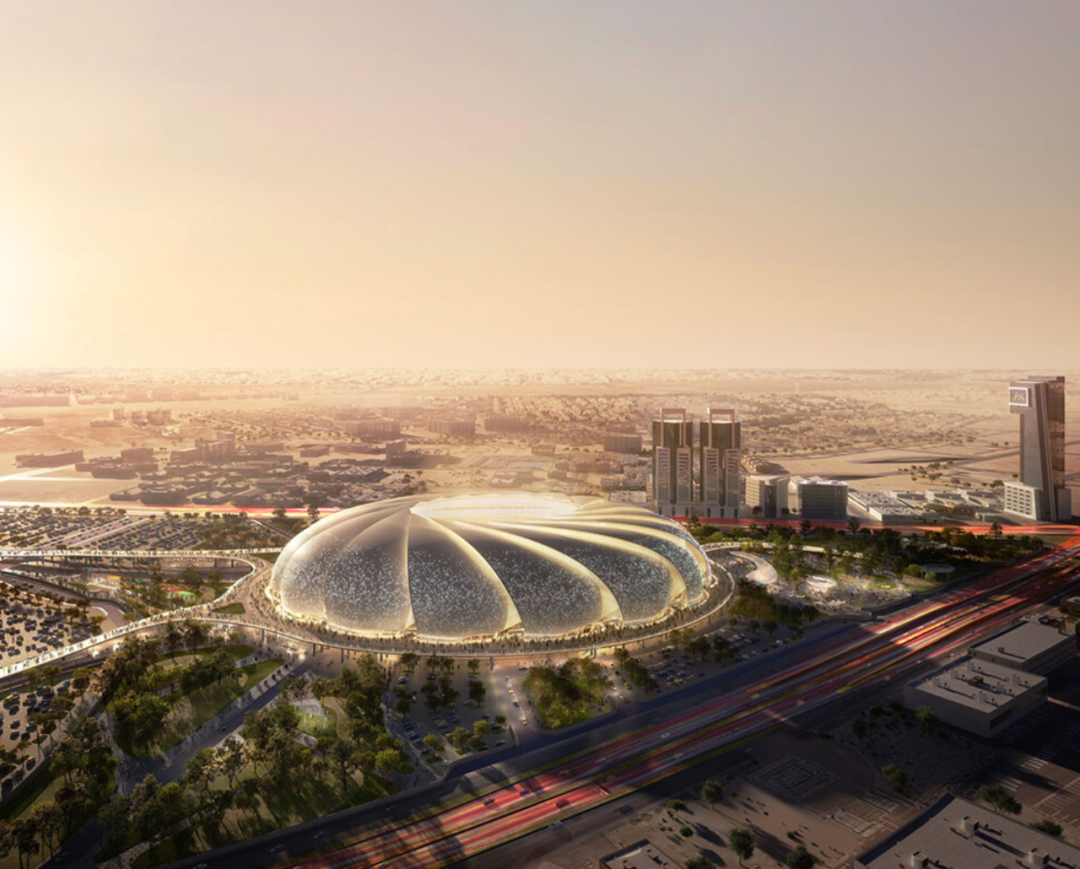
New South Riyadh Stadium
With a capacity of more than 45,000 spectators, the design combines modern elements with traditional architecture, is constructed with sustainable materials, and features a rainwater harvesting system and solar panels.After the 2034 World Cup, the stadium will host a variety of sporting and recreational events and serve as a community center.
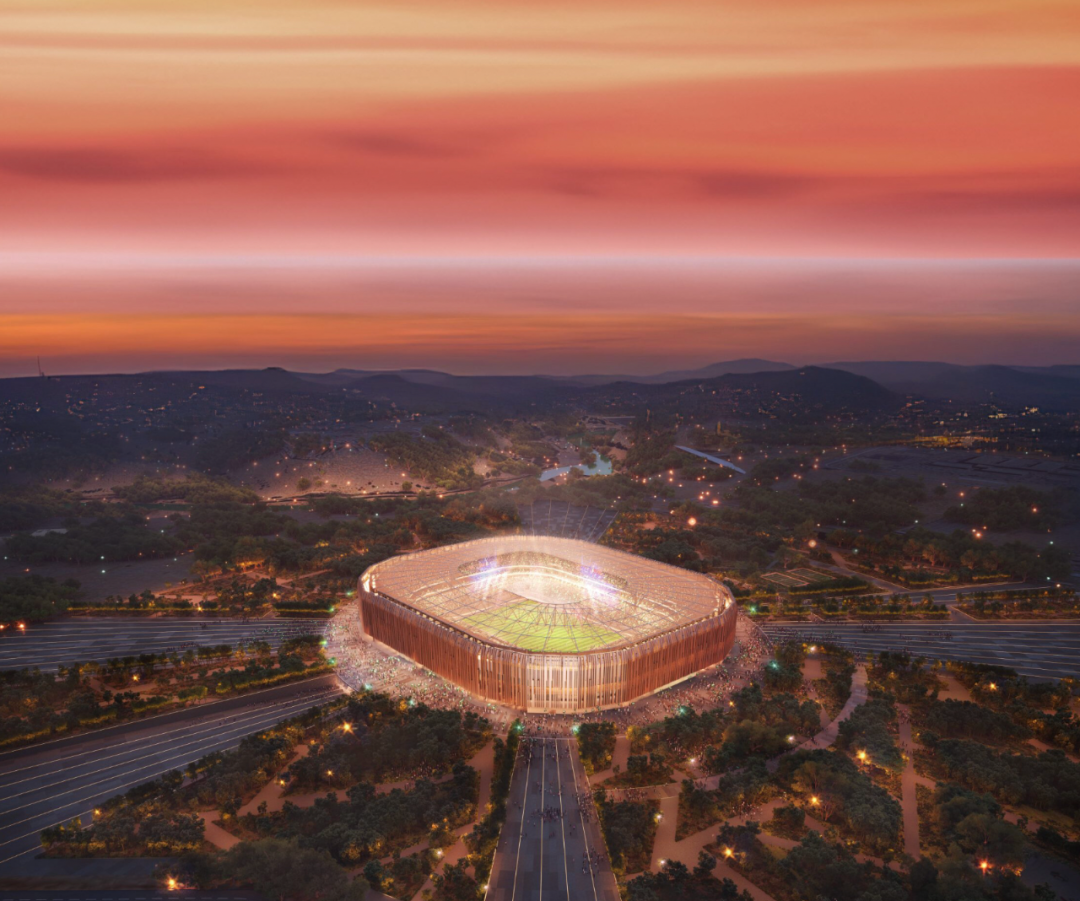
King Abdullah Economic City Stadium
Located on the Red Sea coast north of Jeddah, the stadium can accommodate more than 45,000 spectators and is inspired by local coral reefs. After the 2034 World Cup, the stadium will host soccer matches, concerts and exhibitions, and provide ample green space for the community.
Prince Faisal bin Fahd Stadium, Riyadh
Designed by Populous, the stadium has a capacity of over 45,000 and features energy efficient systems and extensive solar panels. The stadium is located within a larger park master plan and will be a central hub for community sports and mixed-use green spaces.
Jeddah Central Development District (JCD) Stadium
Designed by GMP Architects to accommodate over 45,000 spectators, the design blends traditional Al Balad architecture with modern technology. The stadium will be a landmark in the JCD Sports Park area and will host professional football clubs and various sporting events, conferences, exhibitions and concerts after the World Cup.
King Saud University Stadium
Located in the west of Riyadh, the stadium is currently home to Al Nasr Football Club and has a capacity of approximately 27,000. The stadium will be temporarily expanded to 46,000 seats in anticipation of the 2034 FIFA World Cup and will continue to host university sports, community events and women's football after the World Cup.

 OE P1.9/P2.6/P2.9Item Number: P1.9/P2.6/P2.9
 OH P3.9/P4.8OH P3.9/P4.8
 OB Plus P5/P6/P10Outdoor LED Screen P5.7/P6.67/P8/P10 Brightness:5500-10000nits Cabinet size:960W×960H mm
 Indoor TransparentCrytal Series Model:P5/P6.25/P8/P10etc.
 Outdoor MeshOutdoor Mesh Model:P3.9-7.8/P15-15/P15-31etc.
 CV P1.2/P1.5/P1.8640*480mm cabinet size, Fine pitch high cost performance
 AD P1.9/P2.6/P2.9Indoor LED Screen P1.5/P1.9/P2.6/P3.9 Brightness:600-1000nits Cabinet size:500W×250H/750W×250H/1000W×250H mm


