What causes the Moire effect on LED screens?
The Moire effect has become a common problem faced by businesses and individuals when using LED screens. While some people know what it is and why it occurs, others may not be familiar with it. Here is a list of 18 reasons that cause the Moire effect on LED screens:
1. Low resolution of LED screens: This means that the pixels on the screen are larger than they should be, making them more conspicuous, resulting in the inability to display finer details. For example, when you try to display small fonts or detailed images, low-resolution screens can cause the Moire effect to appear.
2. Insufficient refresh rate: A slower refresh rate means that your LED wall cannot keep up with the rapid changes in the image, resulting in flickering or blurring, affecting the display of the original pattern. For example, if you are running a game at high speed, a slower refresh rate may cause a Moire effect on the LED screen.
3. Pixel misalignment: When choosing an LED screen, you must consider the alignment of the displayed content. If the pixels on the LED screen are not aligned for some reason, interference patterns will be generated, causing the image or video display to be distorted.
4. Low-quality anti-aliasing: The aliasing effect is a distortion phenomenon that occurs when the LED screen displays digital images and videos at a lower resolution than the original content. Anti-aliasing, on the other hand, is a technique used by hardware and software systems to smooth edges and reduce the appearance of aliasing effects.
If the system's anti-aliasing effect is not good, it may produce interference patterns that affect the display of content. For example, applying a low-quality filter to an image with parallel lines may not effectively smooth these lines, but instead produce a new interference pattern, the Moire effect, on the LED screen.
5. Incompatible software or drivers: Software and drivers are responsible for interpreting digital images or videos and displaying them on the LED screen. If users or software administrators use incompatible software or drivers, they may not interpret the content data correctly, resulting in visual phenomena such as the Moire effect on the LED screen. In addition, incompatible software or drivers may also cause the image or video to be scaled or resolved incorrectly, making the Moire effect worse than it originally was.
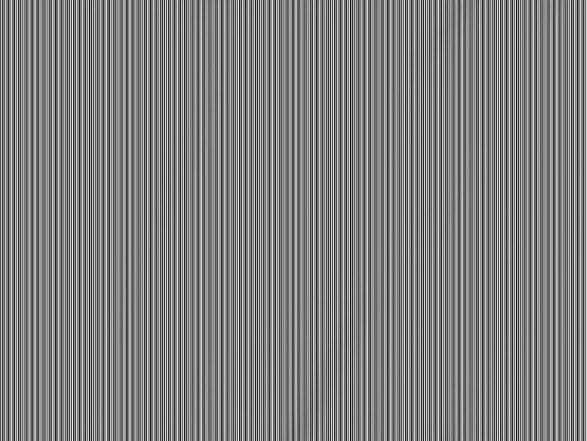
6. Low-quality video cables: It is important to use high-quality equipment when using LED screens to display content. For example, using low-quality video cables to connect your LED wall to other devices can also cause Moire effects.
7. Overlapping elements on LED screens: When two patterns overlap or superimpose on an LED screen, interference patterns are created, resulting in a Moire effect.
8. Complex structures or designs: Structures and designs that contain repeating patterns or subtle details are susceptible to the Moire effect. When you view them at a lower resolution or superimpose them with similar or slightly different patterns, interference stripes are created, which may appear as extremely sharp edges and Moire effects on your LED screen. For example, when you scale down a complex geometric design that contains fine lines or repeating patterns or superimpose them with other similar designs, it can create a Moire effect.
9. Text with fine strokes or small fonts: Fine strokes or small fonts contain subtle details and high-frequency stripes that are difficult for the screen to accurately reproduce. When you view such content on an LED screen with a lower pixel density, these details may overlap with other similar patterns, resulting in a Moire effect.
10. High-contrast images: High-contrast images have sharp transitions between light and dark areas. These transitions create high-frequency patterns that are difficult for the screen to reproduce. For example, when you watch a high-contrast image of a black and white checkerboard on a very low-resolution LED wall, it is likely to produce a Moire effect, with other similar stripes constantly superimposed on the checkerboard pattern.
11. Reflection from external light sources: External light sources, such as overhead lights or direct sunlight, can create reflections on the LED screen, interfering with the pattern on the surface.
12. Interference from electronic devices: If nearby electronic devices emit electromagnetic waves with similar patterns, it may interfere with the pixel pattern of the LED screen, creating a Moire effect. Some examples of electronic devices that emit electromagnetic waves include mobile phones, Wi-Fi routers, Bluetooth devices, and microwave ovens.
13. Pixelated images: Various LED walls have a fixed pixel density, which means that they can only display a specific number of pixels per inch. Therefore, when an LED screen displays a video or image, the pixels of such content must align with the existing pixels of the screen to display a visible image. However, when an LED screen displays media content with a different pixel density, the pixels of the image may not align with the pixels of the screen, resulting in a Moire effect on the LED screen.
For example, if you display a low-pixel-density image on a high-pixel-density LED screen, the pixels of the image will be enlarged to fit the original pixel density of the LED wall. Similarly, if you display a high-pixel-density image on a low-pixel-density LED screen, the image's pixels will be shrunk, causing a Moire effect.
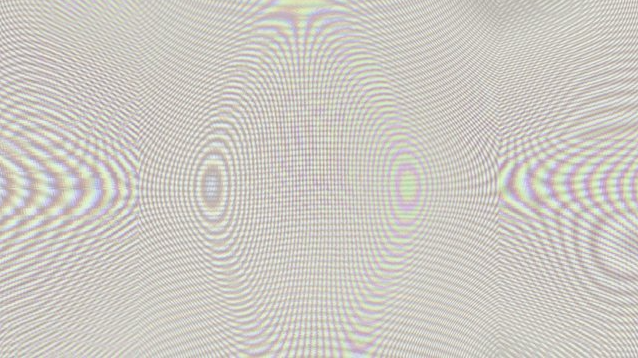
14. Viewing distance: When you are at a certain distance from the LED screen, the relative angles and frequencies of the pixel patterns create interference patterns that induce a Moire effect on the LED screen. If you move closer or further away from the screen, the distorted pattern may change slightly or disappear.
15. Physical damage to the screen: When light passes through a scratched or cracked screen, it diffracts or scatters in different directions, creating interference patterns that overlap the underlying image. This interference interacts with the image's pixel pattern to create a Moire effect on the LED screen.
16. Displaying content that is not appropriate for your LED screen: Your LED wall is made up of light-emitting pixels; the spacing and arrangement of these pixels determine the resolution and quality of the display. However, once a video or image is displayed on an unsuitable LED screen, the screen’s pixel structure may interact with the content, creating a Moire effect.
17. Improper color calibration: LED screen color calibration is the process of adjusting the screen's color and brightness to accurately reproduce the color of an image or video. If you do not calibrate your LED screen correctly, the colors on the screen will not match the actual colors of the image or video. For example, if your LCD screen displays content that is oversaturated, the Moire effect will become very noticeable when displaying certain patterns, such as diagonal lines or circular patterns.
18. Improper Scaling: Scaling is the process of adjusting the size of an image or video to fit a specific screen size or display resolution. When a designer or editor does not scale an image or video correctly, the pixels of the original content may not align with the pixels on the screen, resulting in a Moire effect.
As mentioned earlier, the Moire effect is a common phenomenon that any business or individual using an LED screen to display content may encounter. However, its severity and frequency depend on the purpose of use, personal needs, screen type, and the content displayed.
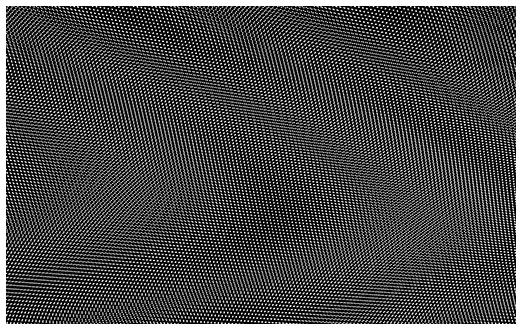
The impact of Moire effect on LED screen content
The Moire effect is disruptive and can be a serious problem when hosting important events. Imagine using an indoor LED screen for a presentation at a meeting, and suddenly the image and text become blurry; your team may have to interrupt the meeting due to this disruption, or continue the meeting without the presentation.
What about events that cannot be saved? We will focus on how the Moire effect affects the quality of displayed content, how it affects businesses, and its impact on various events.
Shenzhen Shinerave is a very powerful LED display supplier.

 OE P1.9/P2.6/P2.9Item Number: P1.9/P2.6/P2.9
 OH P3.9/P4.8OH P3.9/P4.8
 OB Plus P5/P6/P10Outdoor LED Screen P5.7/P6.67/P8/P10 Brightness:5500-10000nits Cabinet size:960W×960H mm
 Indoor TransparentCrytal Series Model:P5/P6.25/P8/P10etc.
 Outdoor MeshOutdoor Mesh Model:P3.9-7.8/P15-15/P15-31etc.
 CV P1.2/P1.5/P1.8640*480mm cabinet size, Fine pitch high cost performance
 AD P1.9/P2.6/P2.9Indoor LED Screen P1.5/P1.9/P2.6/P3.9 Brightness:600-1000nits Cabinet size:500W×250H/750W×250H/1000W×250H mm


