In today's display device market, LED display has gradually become the first choice for various occasions with its high brightness, high contrast, long life and low energy consumption. In the LED display market, the P2.5 specification is favored for its moderate dot pitch, high resolution and excellent display effect. However, when you are ready to buy a P2.5 LED display, you may find that the price difference in the market is huge, some are as high as 1200$, while others are only 600$. This price difference is confusing. What exactly causes such a price gap?
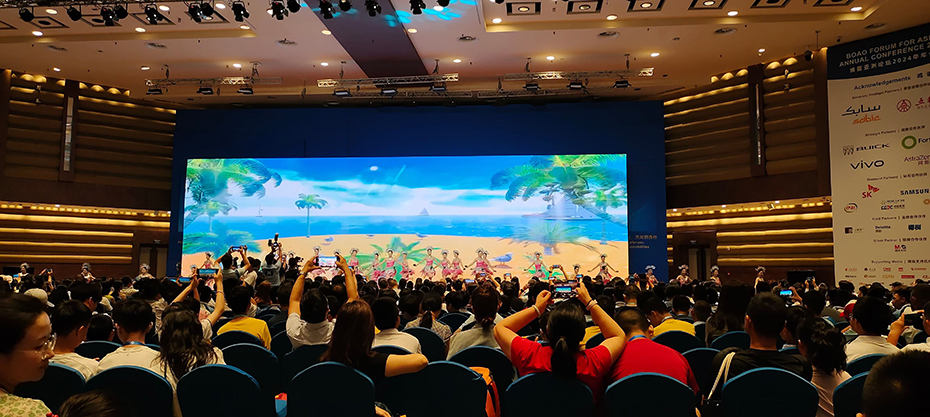
First, let's understand the basic concept of P2.5 LED display. P2.5 means that the dot pitch between lamp beads is 2.5 mm. This specification determines the pixel density of the LED display module. The higher the pixel density, the higher the resolution of the LED display and the more delicate the display effect. Therefore, the P2.5 LED display has excellent performance in clarity.
1. Lamp quality and cost
The core component of LED display is the lamp, and the quality and cost of the lamp directly determine the price of the LED display module. At present, the P2.5 specification LED display module in the market mainly uses two types of lamps: 2121 lamp and 1515 lamp.
2. Manufacturing process and technology
In addition to the quality of lamps, manufacturing process and technology are also important factors affecting the price. Advanced manufacturing process and technology can ensure the stability, reliability and durability of LED display, but at the same time it will increase the manufacturing cost. Therefore, the price of P2.5 LED display with advanced manufacturing process and technology will also increase accordingly.
3. Brand and after-sales service
Well-known brands usually provide better guarantees in terms of product quality and after-sales service, but this will also increase the cost of the product. Therefore, for the same specification of P2.5 LED display, the price of well-known brands is usually higher.
4. Market size and competition
Market size and competition will also affect the price of products. In a highly competitive market, in order to compete for market share, manufacturers may adopt a price reduction strategy, which will lead to a drop in product prices. In markets with smaller scale or less intense competition, manufacturers may pay more attention to profits, so product prices will be relatively high.
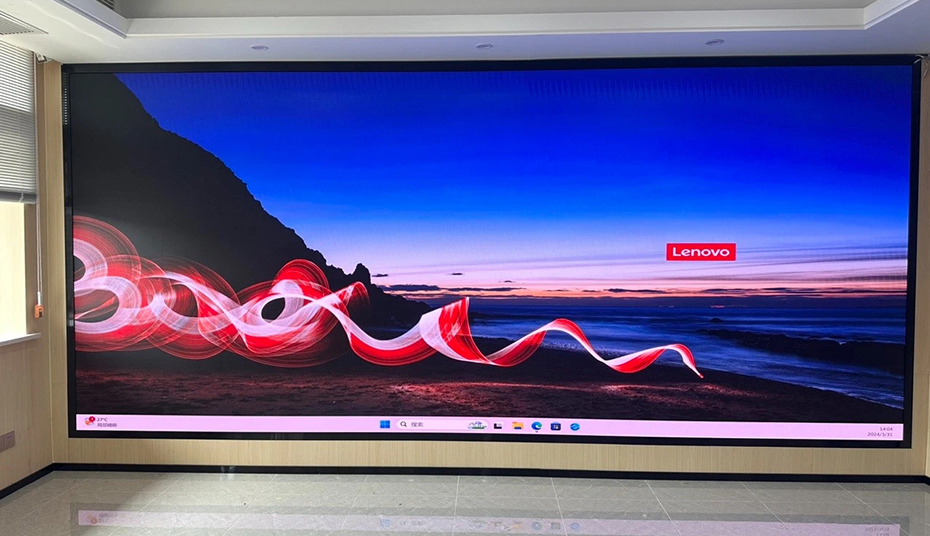
Shenzhen Shinerave is a large-scale, competitive LED display company with high quality service.

 OE P1.9/P2.6/P2.9Item Number: P1.9/P2.6/P2.9
 OH P3.9/P4.8OH P3.9/P4.8
 OB Plus P5/P6/P10Outdoor LED Screen P5.7/P6.67/P8/P10 Brightness:5500-10000nits Cabinet size:960W×960H mm
 Indoor TransparentCrytal Series Model:P5/P6.25/P8/P10etc.
 Outdoor MeshOutdoor Mesh Model:P3.9-7.8/P15-15/P15-31etc.
 CV P1.2/P1.5/P1.8640*480mm cabinet size, Fine pitch high cost performance
 AD P1.9/P2.6/P2.9Indoor LED Screen P1.5/P1.9/P2.6/P3.9 Brightness:600-1000nits Cabinet size:500W×250H/750W×250H/1000W×250H mm


